


The Unsung Hero of Great Beer – Our Water
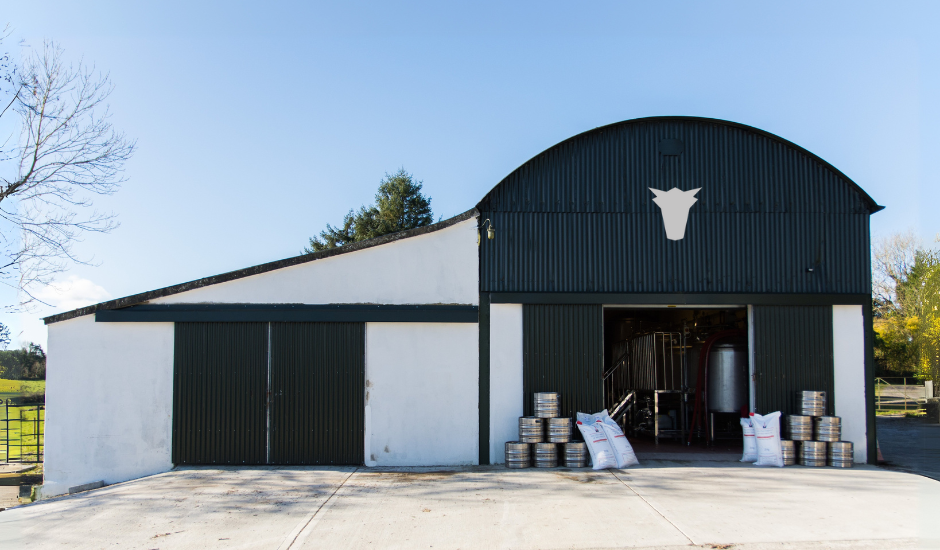
For the last ten years, we’ve been brewing beer here, but our family has been working this specific patch of land for eight generations. We’ve raised our families here. We’ve raised cattle here. And now, we brew beer here.
While we love to talk about the citrus punch of a Citra hop or the roasted depth of chocolate malt, there is one ingredient that defines us more than any other. It makes up over 90% of what’s in your glass, yet it rarely gets the credit it deserves.
We’re talking about The Water.
As we kick off our Storeroom Series for 2026—a collection of deep dives into the ingredients we use — we wanted to re-introduce you to the source itself. Because when we say our beer is “from the farm,” we mean it quite literally.
Every drop of Western Herd beer begins its journey in our own farm well. We don’t import it. We don’t pipe it in from the town. We draw it directly from the aquifer beneath our fields. This connects our beer to this land in a way that nothing else can. In the wine world, they call this Terroir—the idea that the environment itself shapes the flavour.
The Geology of a Good Pint
We’re lucky to be brewing in Clare, where the landscape isn’t just scenic — it’s active. Rain falls, filters, travels, and picks up tiny amounts of minerals on its journey through local rock and soil before it reaches our well. By the time we pump it into the brewery, our water naturally carries useful levels of minerals like calcium and magnesium..
That matters because those minerals (in the right balance) influence:
- Mash performance (how efficiently we convert grain into fermentable sugars)
- pH control (a big driver of “clean”, “bright”, and “crisp” flavour)
- Hop expression (snappy bitterness vs softer, juicier perception)
- Malt character (dry and toasty vs fuller and rounder)
- Overall mouthfeel (lean and crisp vs plush and smooth)
In other words: water doesn’t just help make beer — it helps shape beer.
Clare is famous for its dramatic coastline — and for the stark limestone landscapes of the Burren. Limestone-rich areas tend to produce water that’s naturally a bit more mineral-supported, often with a gentle hardness that brewers have worked with for centuries. Not ideal if you’re trying to keep your shower head clean, but if you are a yeast cell trying to ferment beer, you call this “paradise.”
That mineral backbone is part of what gives our beers their “house feel”:
clean fermentation, a balanced palate, and a finish that keeps you coming back for more.
What Minerals Actually Do in Beer?
Without turning this into a chemistry lecture, here are the main characters brewers talk about:
- Calcium: helps with clarity, stability, and a smooth, tidy finish
- Magnesium: supports yeast health (in sensible amounts)
- Bicarbonate: can help buffer darker, roasted malts (think reds, porters, stouts)
- Sulphate vs chloride (the famous duo):
- sulphate can sharpen hop bitterness and dryness
- chloride can boost fullness and softness on the palate
Our approach is simple: we start with our well water as the base, then we make small, careful adjustments depending on the beer style — because the goal isn’t to make everything taste the same. The goal is to make every style taste right.
How our well water plays with different styles
A few examples from the fridge:
- Crisp lagers & pilsners: clean, bright, refreshing — where water helps deliver that snap and clarity
- Pale ales & IPAs: water can tilt the spotlight toward hops (zestier, drier) or toward softness (juicier, rounder) — we tune it to suit the beer
- Irish reds, porters, stouts: a supportive mineral base helps roasted malts feel smoother and more balanced, not harsh
If you’ve ever said one of our beers feels “easy-drinking” even when it’s full of flavour — a lot of that is water doing its work behind the scenes.
From the Ground to the Glass
Brewing with well water isn’t the easiest route. We test it regularly, and we pay attention to the seasons — because rainfall, temperature and time of year can all impact the water profile. But we wouldn’t trade it for the world. It gives our beer a fingerprint that can’t be replicated in a lab or a factory. We talk a lot about hops, malts, and yeast (and we will again, don’t worry). But the truth is: you can’t make beer with a real sense of place if you ignore the water.
So, the next time you crack open a cold Western Herd, take a second to appreciate the water. If you’re topping up the fridge for the months ahead, you’ll find the full range in the shop.
And if you’re a fellow brewing nerd, keep an eye out for the next Storeroom Series instalment — we’ll be digging into another core ingredient soon.
Fancy trying a few styles side by side?
Our mixed cases are the easiest way to taste how water, malt and hops show up in the glass.